Poly Mailers: The Complete 2026 Guide for E-Commerce Brands
If you ship apparel, accessories, or any non-fragile product, poly mailers are almost certainly the cheapest, lightest, and most brand-friendly way to get it out the door. They weigh a fraction of a box, cost a few cents each, and turn every delivery into a branded moment. This guide covers everything you need to know in 2026 — what poly mailers are, what size to pick, how much they cost, and how to choose between standard and eco-friendly options.
What are poly mailers?
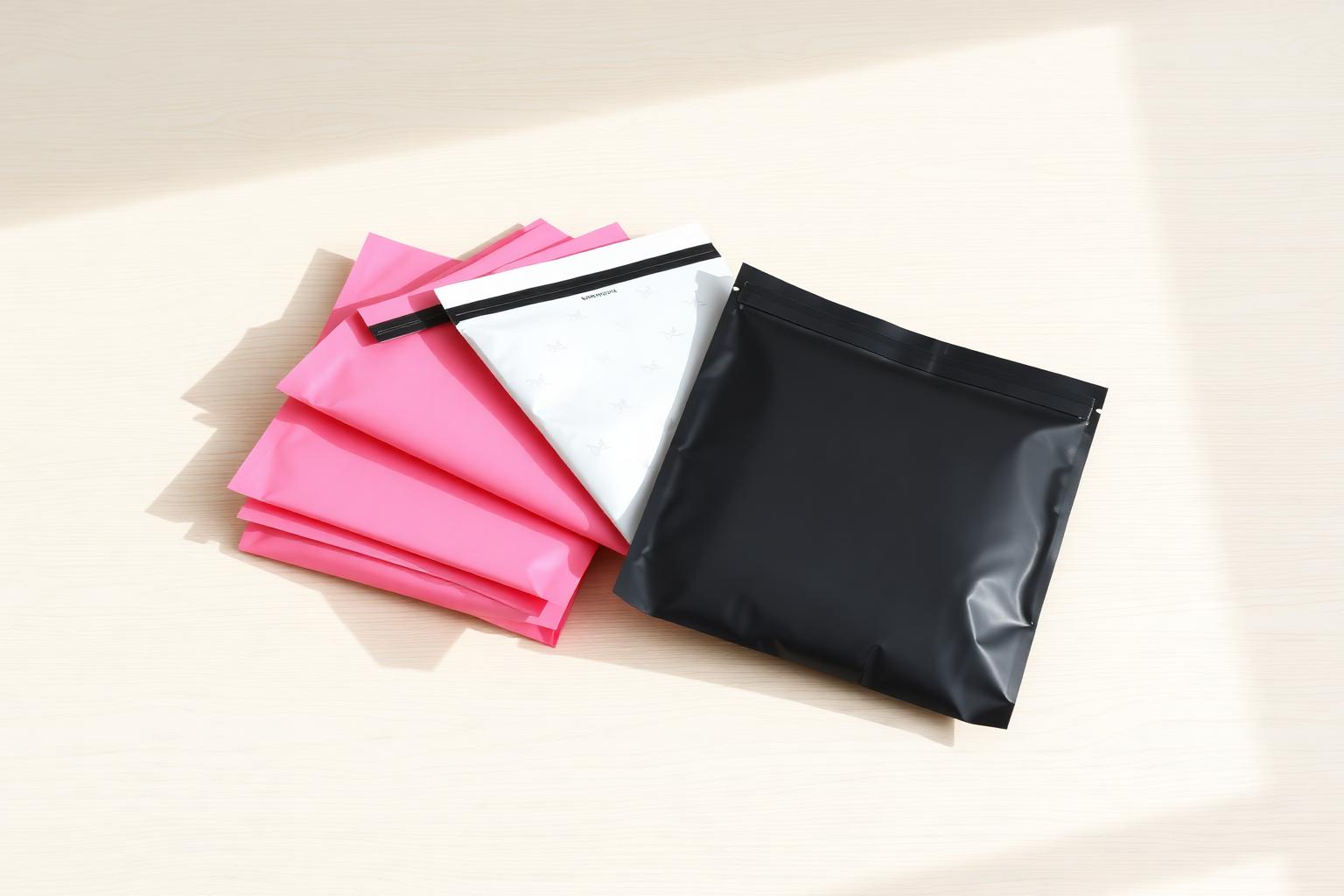
Poly mailers (also written as polymailers or poly mailer bags) are flat, flexible shipping bags made from coextruded polyethylene film. They have a self-seal adhesive strip along the opening and a tear strip for easy returns. Unlike bubble mailers, they have no internal padding — which makes them the lightest, cheapest, and most space-efficient option for soft goods like clothing, hats, towels, and books.
The standard construction is a 2.5 to 3 mil (thousandths of an inch) coextruded film that''s opaque on the outside and a neutral color inside. Higher-end versions go up to 4 mil for heavier shipments. They''re waterproof, tear-resistant, tamper-evident, and stack flat — which is why almost every modern DTC brand uses them.
Poly mailers vs. bubble mailers vs. boxes
The right choice depends on what you''re shipping:
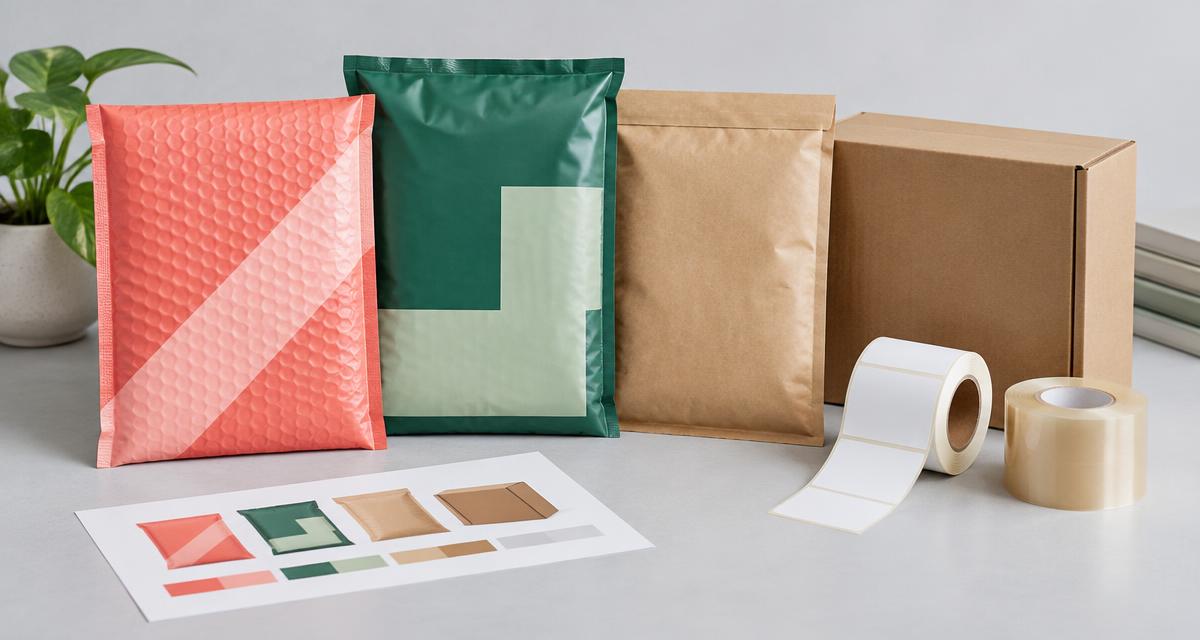
- Poly mailers — best for soft, non-fragile goods: apparel, accessories, fabric, foam, books with soft covers. Cheapest per unit and per shipping pound.
- Bubble mailers — best for small fragile items: jewelry, electronics accessories, cosmetics in glass. Lined with bubble wrap for impact protection. Read our custom bubble mailers guide.
- Shipping boxes — best for rigid, fragile, or bulky items: ceramics, multi-pack subscription boxes, anything over 5 lbs.
For most apparel brands, poly mailers are the default and bubble mailers are reserved for the occasional fragile add-on.
What size poly mailer do I need?
Sizing is the #1 question new e-commerce sellers ask. The rule of thumb: pick a bag 1–2 inches larger than your folded product on each side, so you have room to seal cleanly without crushing the contents. Common sizes and their best uses:
- 6" x 9" — small accessories, jewelry pouches, single t-shirts (folded tight)
- 9" x 12" — single t-shirts, baby clothing, swimwear, scarves
- 10" x 13" — the most popular size; fits most folded shirts, leggings, and lightweight dresses
- 12" x 15.5" — hoodies, sweatshirts, jeans, multi-item orders
- 14.5" x 19" — heavy hoodies, blankets, multi-piece sets
- 19" x 24" — bedding, large apparel sets, towels
If you sell a mix of products, most brands stock two or three sizes (typically 10x13, 12x15.5, and 14.5x19) and route orders based on cart contents.
How much do poly mailers cost?
Pricing depends on three things: quantity, thickness, and whether they''re custom-printed.
- Plain poly mailers from bulk suppliers cost roughly $0.04 to $0.12 per bag at quantities of 1,000+, depending on size.
- Custom-printed poly mailers with your logo and brand colors run $0.15 to $0.40 per bag at 5,000–10,000 units. MAILERS HQ''s custom poly mailers start at an MOQ of 10,000 with full-color printing included.
- Eco-friendly versions (recycled or compostable) add roughly 30–60% to the unit cost.
For a working e-commerce brand shipping 500+ orders/month, the per-unit premium for custom printing is typically recovered through repeat-purchase lift and social sharing — branded packaging is one of the cheapest forms of marketing per impression.
Are poly mailers eco-friendly?
Standard poly mailers are made from virgin LDPE plastic and are technically recyclable at store drop-off locations (the same bins that take grocery bags), but they don''t go in curbside recycling. Three more sustainable options have emerged:
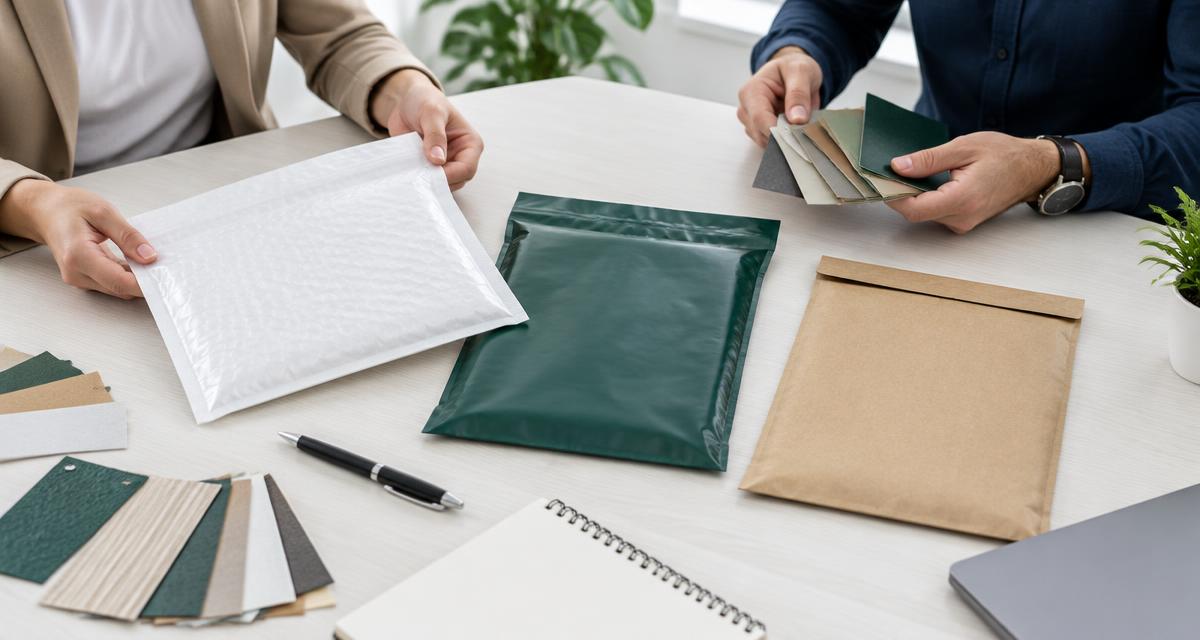
- Recycled poly mailers — made from 50% to 100% post-consumer recycled (PCR) plastic. Look and perform identically to virgin film and are the easiest swap.
- Compostable mailers — made from cornstarch (PLA) and PBAT. They break down in industrial composting facilities in 90–180 days. More expensive and slightly less durable.
- Paper mailers — kraft paper alternatives like our custom paper mailers. Curbside recyclable but less waterproof.
For most brands, 100% PCR recycled poly mailers are the best balance of cost, durability, and sustainability.
How to ship with poly mailers (USPS, UPS, FedEx)
All major carriers accept poly mailers as long as the contents aren''t fragile. A few tips:
- USPS — poly mailers ship as First-Class Package or Priority Mail. Anything under 1 lb usually goes First-Class for the cheapest rate. Use a thermal label printer to print 4x6 shipping labels directly onto the bag.
- UPS / FedEx — both accept poly mailers, but they charge by dimensional weight on larger packages, so flatter and smaller is always cheaper.
- Address placement — apply the shipping label to a flat side of the bag, not over the self-seal strip. Carrier scanners need a flat surface.
- Returns — most poly mailers include a second adhesive strip below the first, so the customer can re-seal and return without needing tape.
Why brands switch to custom poly mailers
A blank gray poly mailer costs about $0.08. A custom-printed one with your logo, brand colors, and a "thank you" interior message costs $0.20–$0.30 — a 12-22¢ premium per shipment. In return you get:
- An unboxing moment that gets shared on TikTok and Instagram
- Repeat purchase lift (industry studies typically show 4–8%)
- Tamper-evident branded seal that signals quality before the box is even opened
- Free brand impressions every time the package sits on a doorstep, in a mailroom, or in transit
Ready to design your own?
You can design custom poly mailers online in about 5 minutes with our free designer tool — upload your logo, pick your colors, and preview the finished bag before you order. Or request a quote for high-volume orders, custom sizes, or recycled material upgrades.